
Finding an old coin tucked away in a drawer can feel like opening a tiny, metallic time capsule. Before you get swept up in daydreams of sudden wealth, take a breath and get deliberate: coin identification values are a mix of history, condition, and market mood. This guide walks you step by step through identifying, evaluating, and confidently checking the value of old coins, whether they’re family keepsakes or purchases from a flea market.
Why coin value isn’t just about the date
It’s tempting to look at a date and decide a coin is valuable, but the truth is more layered. Several factors interact to set a coin’s market price. Two coins from the same year can be worth very different amounts depending on who struck them, how many survived, how well they were preserved, and whether collectors want that particular variety right now.
Think of coin value as a recipe: metal content and rarity are core ingredients, condition adds flavor, provenance and error status add spice, and current demand determines whether the dish sells at a bakery or a gourmet restaurant. Understanding each element helps you avoid common mistakes and recognize real opportunities.
Primary factors that determine a coin’s value
- Rarity: How many of that exact coin survive in collectible condition?
- Condition (Grade): Surface wear, luster, and damage drastically change value.
- Demand: Collector interest shifts over time and by region.
- Metal content: Gold and silver coins have intrinsic metal value as a floor price.
- Variety and errors: Distinct die varieties or minting mistakes can be highly sought.
- Provenance and documentation: A verified history or graded certification increases trust and price.
Step-by-step: How to check the value of an old coin
Want a practical routine to follow? Use this sequence every time you’re evaluating a coin. It moves from easy observations to professional resources, so you get a reliable estimate without skipping important checks.
Step 1 — Identify the coin precisely
Start with the basics: country, denomination, date, and mint mark (a small letter or symbol indicating the mint). Note the design, inscriptions, and any unusual features. Use a 10x loupe or magnifying glass to spot small mint marks and hairlines. Accurate identification is the foundation of value—get this wrong and price checks will be meaningless.
Step 2 — Note physical properties
Weigh the coin on a small digital scale and measure its diameter with calipers. Compare the measurements to reference data for that type and year. Differences can indicate a counterfeit or altered piece. Also note the edge—reeded, plain, or lettered—and any signs of drilling, plugging, or repairs.
Step 3 — Assess condition (grade) carefully
Grading determines a large portion of value. Look at high points for wear, examine the surfaces for scratches, corrosion, or cleaning damage, and judge luster and strike quality. Use published grade descriptions as benchmarks, and, when in doubt, consult photos of known graded coins.
Step 4 — Check for varieties and errors
Some years have multiple die varieties, mint errors, or patterns that make certain coins far more valuable. Look for doubled dies, repunched mint marks, wrong planchet strikes, and clipped planchets. Reference guides and online variety databases help you match notes to known issues.
Step 5 — Consult price sources and sales records
Compare your coin against recent auction results from reputable houses and marketplace sales. Price guides give a baseline, but realized auction prices show what buyers actually paid. For graded coins, reference-population reports show how many examples exist in each grade—this can dramatically shift value expectations.
Step 6 — Consider authentication or third-party grading
If you’re working with a potentially valuable coin, consider submitting it to a third-party grading service. Companies like PCGS and NGC verify authenticity and assign a grade, which often increases liquidity and price. Understand the submission costs and turnaround times before sending anything irreplaceable.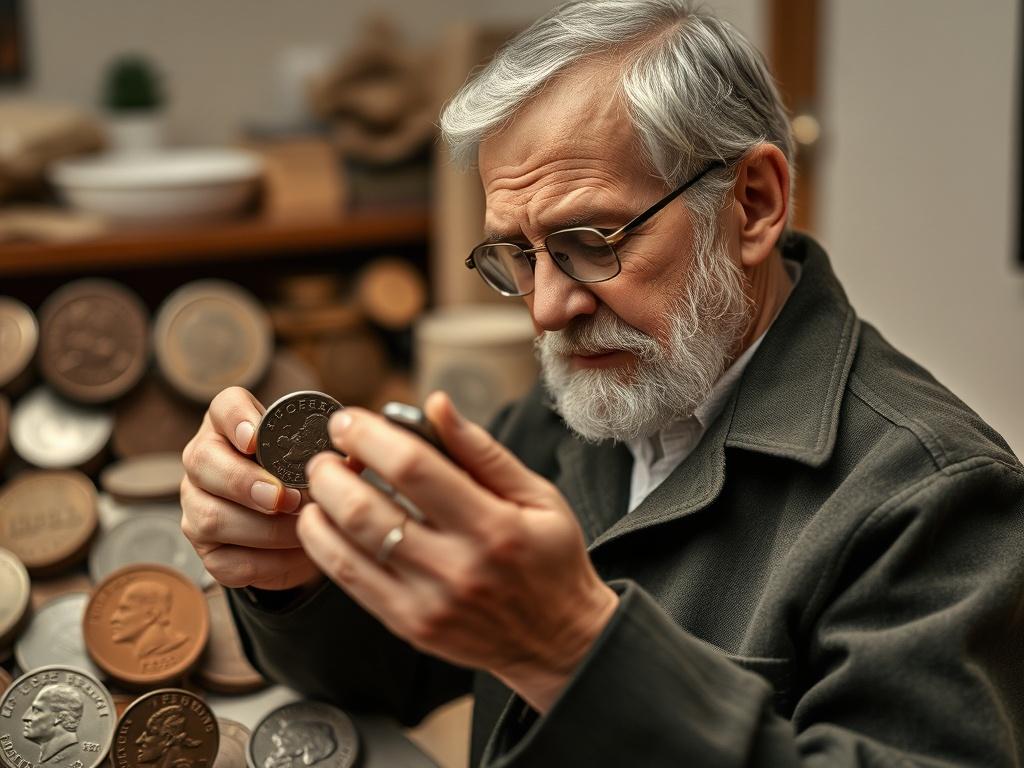
Grading basics: what condition labels mean
To translate wear into value, you need a basic understanding of grading categories. The market commonly uses two systems: the traditional numerically based Sheldon scale (1–70) and descriptive terms such as Good, Fine, and Mint State. Below is a compact table that pairs common descriptors with the Sheldon range and what to look for.
| Descriptor | Sheldon Grade Range | What to look for |
|---|---|---|
| Mint State (MS) | 60–70 | No wear; full luster and original strike. MS-70 is flawless under 5x magnification. |
| About Uncirculated (AU) | 50–59 | Very slight wear on the highest points; overall attractive. |
| Extremely Fine (XF/EF) | 40–49 | Light wear with most details sharp and visible. |
| Very Fine (VF) | 20–39 | Moderate wear with clear major features. |
| Fine (F) | 12–19 | Well-worn; main devices are visible but with flattened detail. |
| About Good to Good (AG–G) | 1–11 | Heavily worn; design outlines visible in lower grades. |
Tools and references that make checking value easier
You don’t need a lab, but a few basic tools and reliable references will make your assessments far more accurate. Have these on hand before you start hunting for value.
- 10x jeweler’s loupe or a stereo microscope for fine details
- Small digital scale (0.01 g precision) and calipers
- Soft gloves and non-abrasive holders to protect surfaces
- Reference books (see table below) and online databases
- Access to auction archives like Heritage, Stack’s Bowers, and eBay completed listings
| Resource | What it offers |
|---|---|
| Red Book (A Guide Book of United States Coins) | Year-by-year retail price estimates and historical context for U.S. coins. |
| PCGS and NGC websites | Price guides, population reports, and authentication services. |
| Numismatic Bibliography and Variety Sites (e.g., COINFacts, VarietyVista) | Specialized variety information and die-study data. |
| Auction archives (Heritage Auctions, Stack’s Bowers) | Realized prices and high-resolution photos of sold coins. |
How to use price guides vs. realized prices
Price guides show typical retail ranges for coins in given grades; they’re good for ballpark values. Realized auction prices show what buyers actually paid—often higher for rare pieces or lower in weak markets. Use both: start with guides, then check recent auctions for the closest grade to your coin.
Common pitfalls and how to avoid them
Even experienced collectors make recurring mistakes. Here are common traps and practical tips to avoid them.
- Cleaning damage: Never clean a coin. Scratches, altered surfaces, or chemical toning removal can destroy value. Even well-intentioned polishing often reduces a rare coin to a base-metal curiosity.
- Assuming all old coins are valuable: Most older coins have sentimental value at best; only a small percentage command truly high prices.
- Over-relying on raw listings: Online listings with vague descriptions are unreliable. Look for high-quality photos and seller feedback.
- Skipping authentication for high-value items: If a coin could be worth thousands, don’t rely solely on pictures or an informal opinion—get it authenticated.
- Failing to track market trends: Metals markets, collector interest, and economic conditions influence prices; research recent trends.
Special topics collectors encounter
Error coins and why they matter
Error coins—like double dies, off-center strikes, and clipped planchets—can be unexpectedly valuable. Their worth depends on how dramatic and uncommon the error is. Small planchet flaws might be interesting but not valuable; dramatic errors that are well-documented tend to attract collectors and command premiums.
Varieties and die studies
Some years have multiple legitimate die varieties that specialists collect. A subtle repunched mint mark or a tiny change in the design could transform a common-date coin into a prized variety. Websites and specialized guides catalog these differences; if you suspect a variety, document it with detailed photos and consult a specialist forum or reference work.
Provenance, pedigrees, and documentation
Provenance matters. A coin traceable to a famous collection or a major historical find often sells for more. Keep receipts, old auction catalogs, and correspondence; they increase buyer confidence and can help you reach a better price.
Where to sell or get an appraisal
When you’ve confirmed a coin’s value and decide to sell, you’ll face choices. Each sales channel has trade-offs between price, speed, and convenience.
Options to consider
- Auction houses: Best for rare or high-value coins. Auction fees apply but the national or international reach can maximize price.
- Coin dealers: Good for quick sales; shop multiple dealers to get comparative offers. Reputable dealers provide immediate cash but will buy below retail to resell.
- Local coin shows and clubs: Give direct access to collectors and dealers without listing fees; useful for mid-range coins.
- Online marketplaces (eBay, Catawiki): Broad audience; results vary with listing quality and timing. Factor in seller fees and shipping risks.
- Consignment through a dealer: A middle ground—dealer lists and sells, sharing the proceeds after sale.
Getting a professional appraisal
Appraisals can be useful for insurance or estate planning, but understand the difference between appraised value and market value. Hire an appraiser with numismatic credentials and recent sales data. For high-value coins, an appraisal paired with third-party grading and auction consignments yields the most accurate market estimate.
Practical checklist: What to do when you find an old coin
- Don’t clean or touch the surfaces—use gloves or hold the edge.
- Record the date, mint mark, and any other visible inscriptions.
- Weigh and measure the coin to confirm size and metal.
- Photograph both sides in good light with scale reference.
- Check price guides and recent auction results for comparable items.
- If the coin appears valuable, consider third-party grading or dealer consultation.
- Document provenance (if known) and keep original packaging or documents.
Final thoughts: patience pays off
Valuing old coins is part science, part detective work, and part market timing. The more precise your identification and condition assessment, the closer you’ll get to the true market value. Use trustworthy references, verify with sales records, and don’t let excitement rush you into damaging or underselling the piece.
If you’re just starting, treat each coin as a lesson. Learn from reputable sellers, read auction reports, and join a local club or online forum. Over time you’ll recognize patterns—what collectors prioritize, how grading affects price, and which rarities become stars at auction. Above all, remember: a careful, methodical approach protects both the coin and your pocket.
Quick reference summary
Keep this short checklist handy when you’re checking coin values: identify precisely, note physical specs, grade conservatively, consult multiple price sources, check for varieties or errors, avoid cleaning, and seek professional authentication for high-value items. With these steps you’ll turn that loose coin into an informed decision—whether you keep it, insure it, or sell it to another collector who’ll appreciate its story.